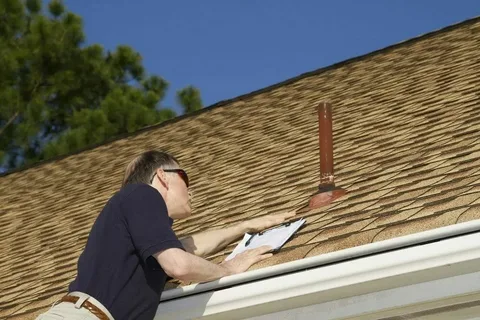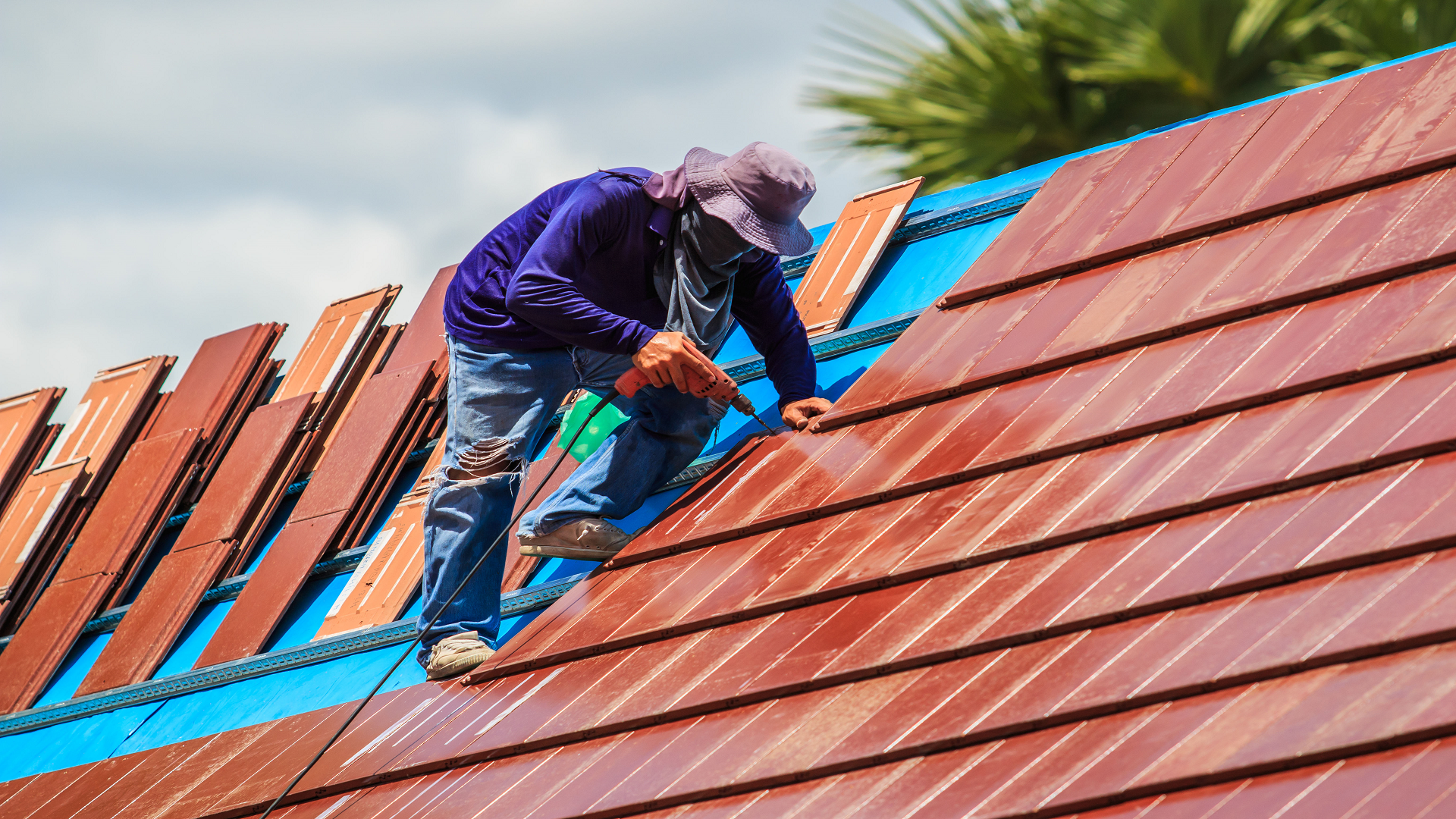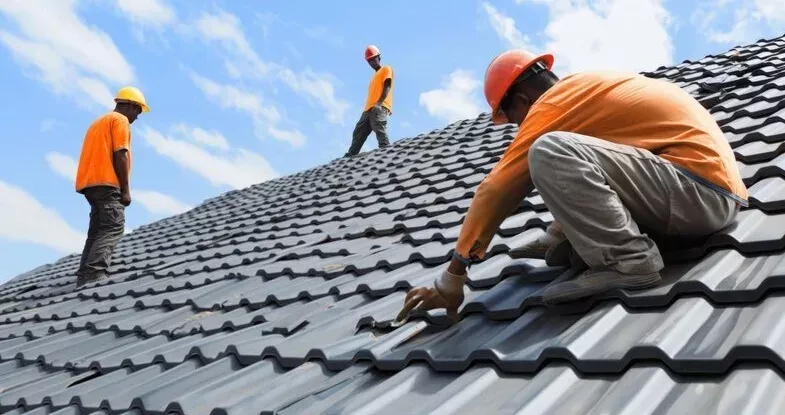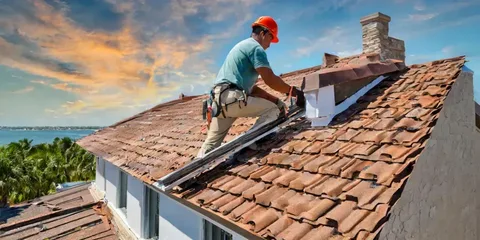

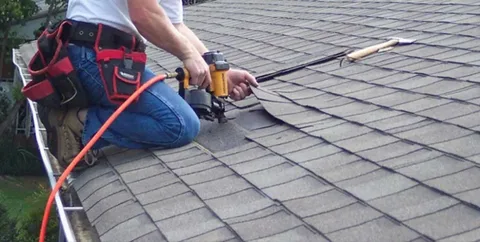
Severe storms can damage a roof without warning. Strong winds may tear off shingles, hail can damage roofing materials, and falling branches can puncture the roof or damage its supporting structure. Even when the damage appears minor, openings in the roofing system can allow water to enter and affect ceilings, insulation, walls, and other parts of your property.
Knowing what to do after storm damage can help you protect your home, reduce further problems, and arrange the right repairs. Emergency roof repair focuses on addressing immediate hazards, limiting water intrusion, and determining what work is needed to restore the roof.
Common Types of Storm-Related Roof Damage
Storms can affect roofing systems in several ways, depending on the weather conditions, roofing materials, and age of the roof.
Wind Damage
Strong winds can lift shingle edges, loosen roofing materials, damage flashing, or remove shingles entirely. Wind can also push branches and debris against the roof, creating additional damage.
Missing or displaced materials may expose the underlying roof components to rain. A professional inspection can help identify affected areas and determine whether localized repairs or more extensive work are necessary.
Hail Damage
Hail can bruise asphalt shingles, damage protective granules, dent metal roofing, and affect other roof components. Some damage may be difficult to recognize from the ground.
The impact of hail depends on factors such as hailstone size, wind conditions, roofing material, and the roof’s existing condition. A qualified roofing professional can assess the surface and document visible damage.
Falling Trees and Branches
Trees and large branches can cause serious roof damage during storms. Depending on the impact, the damage may involve broken shingles, punctures, damaged roof decking, or structural concerns.
If a large branch or tree has fallen onto your roof, stay clear of the affected area. The structure may be unstable, and the roof could be unsafe to enter. Arrange a professional assessment before attempting cleanup or repairs.
Water Intrusion and Leaks
Rain can enter through missing shingles, damaged flashing, roof punctures, or compromised seams. Water may travel along structural components before appearing as a ceiling stain or drip.
A new leak after a storm should be taken seriously. Prompt attention can help limit damage to insulation, drywall, flooring, and belongings.
What to Do Immediately After Storm Damage
Your first priority after a storm should be safety. Do not climb onto the roof to inspect it yourself, especially if surfaces are wet, materials are loose, or structural damage is suspected.
Follow these steps to protect your property while arranging emergency repairs.
1. Check for Immediate Safety Hazards
Look for damage from a safe location. Warning signs may include sagging ceilings, large cracks, exposed wiring, fallen trees, or visible structural movement.
If a ceiling is bulging or holding water, keep people away from the area. Do not puncture the ceiling or attempt to remove trapped water yourself, as the material could collapse unexpectedly.
If you suspect structural instability, electrical hazards, or a risk of collapse, leave the affected area and contact the appropriate emergency services or qualified professionals.
2. Protect Belongings From Water
If it is safe to do so, move furniture, electronics, documents, and other valuables away from leaking areas. Use containers to catch dripping water when practical, provided you do not need to stand beneath an unstable ceiling or enter a hazardous area.
Avoid contact with water near electrical outlets, appliances, or wiring. If water has reached electrical equipment, stay clear and seek qualified assistance.
Taking these precautions can help reduce additional property damage while you wait for professional help.
3. Document Visible Damage
Take photographs or videos of visible damage from the ground or from inside the property, where it is safe. Document missing shingles, fallen branches, water stains, damaged ceilings, and affected belongings.
Record the date of the storm and keep receipts for reasonable emergency expenses. This information may help when discussing repairs with your roofing professional or insurance company.
Do not risk your safety to obtain photographs of inaccessible roof areas. A professional can document damage that requires a closer inspection.
4. Arrange Emergency Roof Repair
Contact a qualified roofing provider if your roof has an active leak, missing materials, exposed underlayment, or other storm-related damage.
Explain what happened, describe any immediate hazards, and mention whether water is entering the property. This information can help the provider understand the urgency and determine the appropriate next step.
Emergency service may involve temporary protection first, followed by a detailed inspection and permanent repairs once conditions allow.
How Emergency Roof Repair Helps Prevent Further Damage
Emergency roof repair aims to reduce immediate risks and protect the property until the roof can be properly restored.
Temporary Roof Protection
When conditions are safe, a roofing professional may use a suitable temporary covering or other protective method to limit water entry. The appropriate solution depends on the roof’s condition, the extent of damage, and current weather conditions.
Temporary protection is not a substitute for permanent repairs. It should be followed by an assessment of the affected materials and any underlying damage.
Repairing Missing or Damaged Roofing Materials
Depending on the findings, permanent repairs may include replacing missing shingles, securing compatible roofing materials, repairing flashing, or addressing damaged seams and roof penetrations.
The repair method should match the roofing system and account for the surrounding materials. Installing a patch without addressing the source of the damage may leave the roof vulnerable to additional leaks.
Addressing Interior Water Damage
Storm-related roof leaks can affect insulation, drywall, ceilings, and other interior components. Once the roof is protected, the affected areas may need further evaluation to determine whether drying, cleaning, or replacement is required.
Roof repairs alone do not automatically resolve moisture trapped inside the building. Prompt attention to both the roof and affected interior materials can help limit longer-term problems.
Should You Repair or Replace a Storm-Damaged Roof?
The right solution depends on the severity and distribution of the damage, the roof’s age, and the condition of the existing roofing system.
Roof repair may be appropriate when:
- Damage is limited to a small, identifiable area.
- The surrounding roofing materials remain in serviceable condition.
- The underlying roof structure is sound.
- The affected materials can be repaired or replaced without compromising the rest of the system.
Roof replacement may be worth considering when:
- Damage affects a large portion of the roof.
- Roofing materials have widespread deterioration.
- Multiple previous repairs have failed to resolve recurring problems.
- The underlying structure or roof decking has sustained extensive damage.
A storm does not automatically mean the entire roof needs replacement. Ask your roofing professional to explain the inspection findings, identify urgent concerns, and provide a written scope of recommended work.
Understanding Insurance After Storm Damage
Homeowners insurance may cover certain types of sudden storm-related roof damage, but coverage depends on the policy, the cause of the damage, exclusions, deductibles, and other conditions.
After the storm, contact your insurer to ask about the claim process and documentation requirements. Keep photographs, inspection reports, repair estimates, and receipts for reasonable emergency measures.
Avoid assuming that every type of roof damage will be covered. Normal wear and tear, deferred maintenance, and specific exclusions may be treated differently from sudden storm damage.
A roofing professional can document visible roof conditions and provide a repair estimate. The insurance company determines coverage according to your policy, and any claim decision should come from the insurer. Review all proposed work and payment arrangements carefully before signing a contract.
How to Reduce the Risk of Future Storm Damage
Although no roof is completely stormproof, regular maintenance can help identify weaknesses before severe weather arrives.
Schedule periodic roof inspections to check for loose shingles, deteriorated flashing, damaged seals, and other visible concerns. Keep gutters and downspouts clear so water can drain properly, and arrange for overhanging or hazardous branches to be assessed by an appropriate tree professional.
If your roof is older or has experienced repeated storm damage, discuss whether the existing materials remain suitable for your property’s conditions. When replacement becomes necessary, choose roofing materials and installation methods appropriate for the local climate and applicable building requirements.
Routine maintenance cannot prevent every storm-related problem, but it can help you identify concerns and prepare your property before the next severe weather event.
Why Choose All American Roofing?
Storm damage can leave homeowners uncertain about the condition of their roof and the repairs required. A clear inspection and repair plan can help you understand the immediate concerns and decide how to proceed.
All American Roofing can be a resource for homeowners seeking roofing assistance after storm damage. When discussing your project, explain the visible damage, any active leaks, and whether temporary protection is needed.
Ask for an explanation of the inspection findings, the recommended repairs, the materials involved, and the expected timeline. A written estimate can help you understand the proposed work and distinguish temporary measures from permanent repairs.
The priority should be to address safety concerns, limit further water intrusion, and restore the roofing system based on its actual condition.
Final Thoughts
Emergency roof repair after storm damage is important for protecting your home from additional water intrusion and identifying problems that may affect the roof’s performance. Missing shingles, damaged flashing, hail impacts, and falling branches can all create conditions that require prompt attention.
Start by keeping people away from hazardous areas, documenting visible damage from a safe location, and arranging a professional assessment. Temporary protection may be needed before permanent repairs can begin, particularly when weather conditions prevent immediate restoration.
By responding carefully and addressing damage promptly, you can reduce avoidable risks and make informed decisions about repairing or replacing your roof.
This article is for general informational purposes and is not a substitute for a professional roof inspection, emergency assessment, or review of your insurance policy. Stay off damaged roofs and contact qualified professionals when hazards are present.