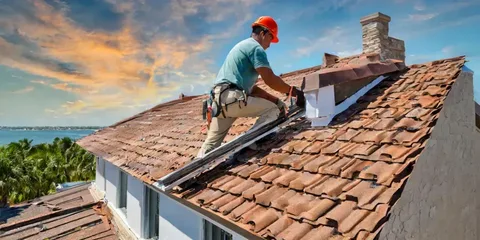

Your roof protects your home or commercial property from rain, wind, sunlight, and other weather conditions. However, roofing materials gradually wear down, and small problems can develop without obvious signs from inside the building. A loose shingle, damaged flashing, or blocked drainage area may seem minor at first but can eventually lead to leaks and more extensive repairs.
Regular roof inspections help identify these concerns before they become harder to manage. By checking the condition of roofing materials and key structural details, property owners can make informed maintenance decisions, protect their investment, and reduce the risk of unexpected roofing problems.
1. Identify Roof Damage Early
One of the main benefits of regular roof inspections is the opportunity to identify damage before it spreads. Roofing problems are not always visible from the ground, and some can develop beneath the surface.
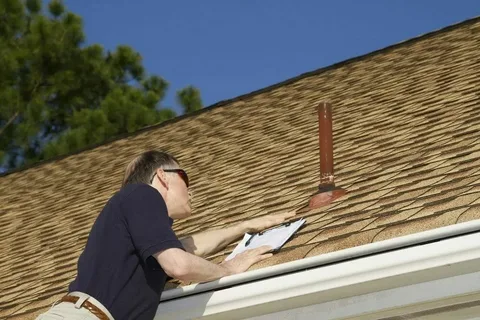
During an inspection, a roofing professional may look for cracked, curled, loose, or missing shingles, damaged metal panels, deteriorated flashing, and signs of moisture intrusion. The specific checks depend on the roof’s materials, design, age, and condition.
Finding these issues early can make it easier to determine whether a localized repair is appropriate or whether a more detailed assessment is needed. Prompt attention may also help prevent water from reaching insulation, ceilings, walls, and other building components.
2. Help Prevent Roof Leaks
Roof leaks can cause damage well beyond the roofing surface. Water may travel along framing or other building components before becoming visible as a stain on a ceiling or wall.
Regular inspections focus on areas where water can enter, including roof valleys, flashing around chimneys and vents, skylights, penetrations, and transitions between different roofing surfaces.
A professional can identify deteriorated sealants, loose flashing, damaged materials, or other conditions that may allow moisture to enter. Correcting these problems promptly can reduce the likelihood of interior water damage.
Property owners should not wait for water stains or dripping ceilings before arranging an inspection. By the time a leak becomes visible indoors, moisture may already have affected concealed materials.
3. Extend the Useful Life of Your Roof
Roofing systems are exposed to changing temperatures, sunlight, moisture, and wind. Over time, these conditions can wear down materials and weaken vulnerable areas.
Regular inspections help property owners understand how their roof is aging and which maintenance tasks may be needed. Depending on the roof type, recommendations may include replacing damaged shingles, repairing flashing, addressing drainage issues, or correcting minor installation-related problems.
An inspection cannot stop normal material aging, but timely maintenance may help prevent avoidable damage and support the roof’s expected service life.
The actual lifespan of a roof depends on material quality, installation workmanship, weather exposure, ventilation, maintenance, and other factors. Regular assessments help you make decisions based on the roof’s actual condition rather than age alone.
4. Reduce the Risk of Expensive Repairs
Small roofing defects can become more complicated when they remain unresolved. For example, a minor flashing problem may allow water to enter repeatedly, eventually damaging insulation, drywall, or roof decking.
Repairing the original problem early may be less disruptive than addressing both the roofing defect and the resulting interior damage. However, repair costs vary according to the severity of the issue, the materials involved, and how much of the roof has been affected.
Regular inspections help you identify developing concerns, understand the recommended repairs, and plan maintenance within your budget. They also provide an opportunity to prioritize urgent issues instead of waiting until multiple problems require attention at once.
5. Check Flashing, Roof Edges, and Drainage Areas
Roof performance depends on more than the main roofing material. Flashing, edges, valleys, gutters, downspouts, and other drainage components help direct water away from vulnerable parts of the building.
When flashing becomes loose or deteriorated, water may enter around roof penetrations and joints. Debris in gutters or drainage paths can also prevent water from flowing away properly, increasing the risk of overflow and moisture damage.
During an inspection, a roofing professional can examine these areas for visible damage, separation, corrosion, blockages, or signs of poor drainage.
The appropriate maintenance depends on the roof design. Keeping drainage systems clear and repairing damaged transitions can help the roof manage rainfall more effectively.
6. Assess Damage After Severe Weather
Strong winds, hail, heavy rainfall, and falling branches can damage roofing materials. Some storm damage is obvious, while other issues may be difficult to identify without a closer assessment.
After severe weather, inspect your property from a safe location for visible warning signs such as missing shingles, displaced roofing materials, fallen branches, or debris accumulation. If you suspect damage, arrange a professional roof inspection.
A roofing professional can assess accessible areas and document visible damage. Depending on the roofing system and event, the inspection may identify punctures, damaged flashing, loosened materials, or other concerns that require attention.
Do not climb onto a wet, steep, or storm-damaged roof. Damaged surfaces may be unstable, and hidden hazards can make an inspection dangerous.
7. Protect Insulation and Indoor Comfort
Roof problems can affect the conditions inside your home or building. Water intrusion may damage insulation and reduce its ability to perform as intended. Roof-related ventilation problems can also contribute to excessive attic heat or moisture buildup.
During an inspection, a professional may look for visible signs of moisture, deterioration, or ventilation concerns. If these issues are identified, additional evaluation may be needed to determine their cause and the appropriate remedy.
A roof inspection does not replace a full energy assessment, but it can help identify roofing conditions that may affect comfort and building performance.
Maintaining the roof, insulation, and ventilation system appropriately can support a healthier and more comfortable indoor environment.
8. Support Property Value and Maintenance Planning
A roof in good condition contributes to the overall upkeep and appearance of a property. Regular inspections give owners a clearer picture of the roof’s condition and help them plan maintenance or replacement before a problem becomes urgent.
Inspection records can also be useful when preparing to sell a property. Buyers may want to understand the roof’s age, previous repairs, and any known issues before making a decision.
An inspection does not guarantee a particular resale value or prove that every part of a roof is defect-free. However, documented maintenance and prompt attention to identified problems can demonstrate responsible property care.
If you are considering selling your home, an inspection may help you identify repairs that should be addressed before listing the property.
9. Determine When Roof Repair or Replacement Is Needed
Not every roofing problem requires a complete replacement. Some roofs need only localized repairs, while others may have widespread deterioration that makes replacement the more practical option.
Regular inspections help evaluate the extent of wear and damage. A roofing professional can consider factors such as the roof’s age, the condition of the materials, the frequency of previous repairs, and any damage to the underlying structure.
A repair may be suitable when the problem is limited and the surrounding roof remains in good condition. Replacement may be worth considering when deterioration is widespread or repeated repairs are no longer addressing the underlying issues.
Ask for a clear explanation of the findings and compare the expected costs, benefits, and remaining useful life of each option before making a decision.
How Often Should You Schedule a Roof Inspection?
The appropriate inspection schedule depends on the roof’s material, age, condition, and exposure to severe weather. Many property owners arrange a professional inspection about once a year, while roofs exposed to harsh conditions or known problems may need more frequent attention.
It is also sensible to consider an inspection after a significant storm, when buying or selling a property, or when warning signs appear.
Between professional visits, property owners can look for visible changes from the ground, including missing roofing materials, sagging areas, damaged gutters, or interior water stains. These observations should not replace a professional assessment when damage is suspected.
Why Choose All American Roofing?
Choosing a qualified roofing professional helps ensure that inspection findings are explained clearly and that recommended repairs address the actual problem.
All American Roofing is a resource for property owners seeking roofing guidance and support. When arranging an inspection, ask what areas will be evaluated, whether visible damage will be documented, and which repairs should receive priority.
A clear inspection report can help you understand the condition of your roof and decide what to do next. It should distinguish between urgent concerns, routine maintenance, and longer-term replacement considerations whenever the available findings support those conclusions.
Taking time to understand the inspection results can help you plan the next steps with greater confidence.
Final Thoughts
Regular roof inspections are an important part of responsible property maintenance. They help identify damage early, reduce the risk of leaks, assess storm-related problems, and provide useful information about the roof’s remaining service life.
Although inspections cannot prevent every roofing issue, they can help property owners respond before minor defects lead to more extensive damage. Scheduling inspections at appropriate intervals and addressing recommended repairs promptly can support long-term roof performance.
If your roof has not been inspected recently, or if you have noticed signs of damage, consider arranging a professional assessment. Understanding your roof’s condition today can help you plan maintenance and protect your property in the years ahead.
This article is for general informational purposes. Inspection schedules and repair recommendations vary according to roof type, condition, local climate, and building requirements. Consult a qualified roofing professional for advice specific to your property.