
Your roof is one of the most important protective components of your home. It helps keep out rain, wind, heat, and other environmental elements while protecting the structure and everything inside it. Because many roofing problems begin as small issues, regular inspections can help homeowners identify concerns before they become more extensive.
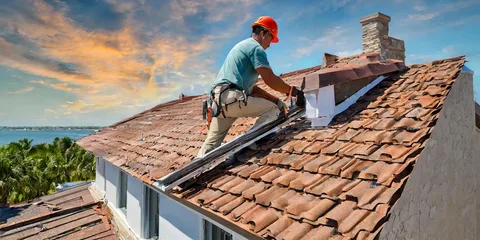
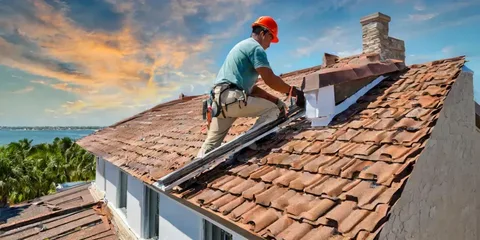
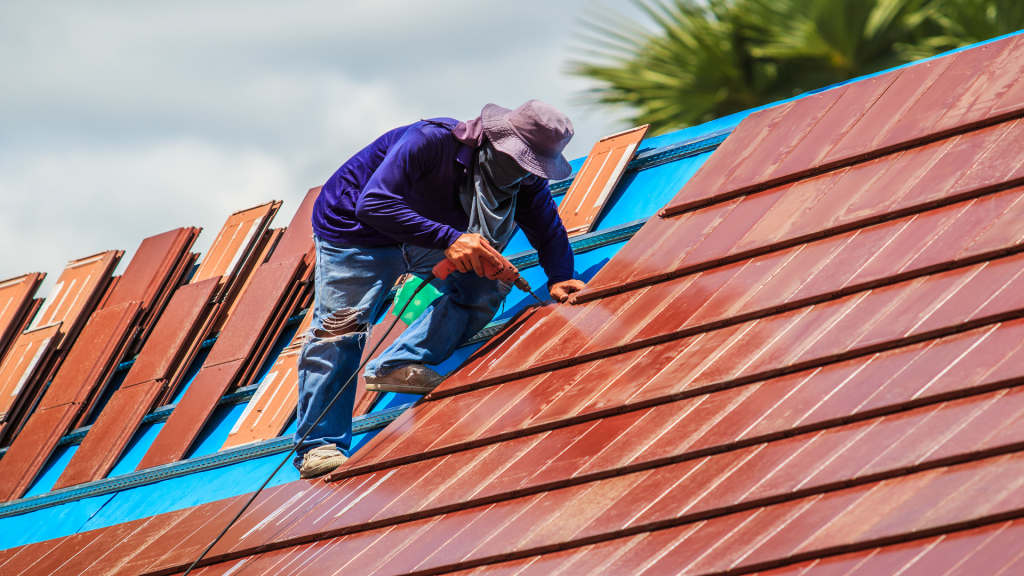
A roof inspection does not always mean climbing onto the roof yourself. In fact, walking on a roof without the proper equipment or experience can be dangerous. Homeowners can perform a basic visual inspection from the ground and inside the home, while a professional roofing contractor can provide a more detailed evaluation.
Use this roof inspection checklist to understand what to look for and when to contact a roofing professional.
1. Check the Roof From the Ground
Start by walking around your property and looking at the roof from different angles. Binoculars can help you examine areas that are difficult to see clearly.
Look for:
- Missing or damaged shingles
- Curled or lifted shingles
- Cracked roofing materials
- Noticeable dark or discolored areas
- Sagging sections
- Excessive moss or algae growth
- Damaged flashing
- Debris collecting on the roof
A change in the roof’s appearance can sometimes indicate an underlying problem that deserves further inspection.
2. Look for Missing or Damaged Shingles
Shingles protect the roof from water and weather exposure. Missing, cracked, broken, or badly curled shingles can leave portions of the roof vulnerable.
After strong winds or storms, check whether any shingles have been displaced or found around the property.
Even if only a small section appears damaged, it is worth having the area evaluated. Water can enter through relatively small openings and cause damage beneath the visible roofing materials.
3. Inspect the Roof Flashing
Flashing is installed around areas where the roof meets walls, chimneys, vents, skylights, and other structures. These areas require careful sealing because they can be vulnerable to water intrusion.
During a visual inspection, look for:
- Loose flashing
- Bent or damaged metal
- Cracked sealant
- Gaps around roof penetrations
- Signs of rust or deterioration
Damaged flashing can allow water to enter areas that may not be immediately visible from inside the home.
4. Check Gutters and Downspouts
Your gutters and downspouts are an important part of the roof drainage system. They direct water away from the roof and foundation.
Check for:
- Leaves and debris
- Sagging gutters
- Loose connections
- Standing water
- Damaged sections
- Blocked downspouts
- Granules accumulating in the gutters
A significant amount of roofing granules in the gutters can sometimes indicate shingle wear. Keeping the drainage system clear can also help prevent water from backing up against the roof.
5. Look for Granule Loss
As asphalt shingles age, they can gradually lose some of their protective granules.
Small amounts of granules can be normal over time, but excessive granule accumulation in gutters or downspouts may indicate that the shingles are deteriorating.
If you notice a significant change in the amount of granules or visible bald spots on shingles, consider having the roof professionally evaluated.
6. Inspect the Attic
Some roofing problems are easier to identify from inside the home than from the outside.
If your home has an accessible attic, look for:
- Water stains
- Damp insulation
- Darkened wood
- Mold or mildew
- Daylight visible through the roof
- Water trails
- Signs of previous leaks
Pay particular attention after heavy rain. A roof can sometimes allow moisture into the attic before a noticeable ceiling stain appears inside the living space.
7. Check Ceilings and Interior Walls
Roof leaks do not always appear directly beneath the damaged area. Water can travel along roof decking, insulation, framing, or other materials before becoming visible.
Inside the home, look for:
- Brown or yellow ceiling stains
- Peeling paint
- Bubbling drywall
- Damp spots
- Musty odors
- Discoloration around vents or skylights
If you notice signs of water intrusion, addressing the source promptly can help prevent additional damage.
8. Examine Chimneys, Vents, and Skylights
Roof penetrations require proper sealing and flashing to prevent water from entering the home.
Check visible areas around:
- Chimneys
- Plumbing vents
- Roof vents
- Skylights
- HVAC penetrations
- Other roof-mounted equipment
Cracked seals, damaged flashing, or gaps around these areas can create potential entry points for water.
9. Look for Sagging Areas
A roof should generally maintain a consistent shape. Sagging or uneven sections may indicate a problem with the roofing structure, decking, moisture exposure, or another underlying component.
Do not attempt to investigate a significant sagging area by walking on the roof. Contact a professional roofing contractor for an evaluation.
Structural concerns can require prompt attention.
10. Check for Moss, Algae, and Organic Growth
Moss, algae, and other organic growth can develop on roofing materials, particularly in areas with persistent moisture or limited sunlight.
A small amount of surface growth does not automatically mean the roof needs replacement. However, excessive growth can retain moisture and may contribute to deterioration depending on the roofing material and conditions.
Avoid aggressive cleaning methods that can damage shingles. A roofing professional can recommend an appropriate approach.
11. Consider the Roof’s Age
Roofing materials have different expected service lives. The age of your roof is therefore an important part of any inspection.
If your roof is approaching the end of its expected service life, regular professional inspections can help you understand its remaining condition and plan for future repairs or replacement.
A roof’s age alone does not determine whether replacement is necessary. Its material, installation quality, maintenance history, weather exposure, and current condition should also be considered.
12. Inspect After Severe Weather
Storms can cause roofing damage that is not immediately obvious.
After severe weather, look for:
- Missing shingles
- Cracked or broken roofing materials
- Damaged flashing
- Fallen branches
- Punctures
- Dents
- Loose materials
- Water intrusion
If you suspect storm damage, document what you can safely see from the ground and contact a roofing professional for a detailed inspection.
When Should You Schedule a Professional Roof Inspection?
A professional inspection is especially useful when:
- Your roof has visible damage
- You notice water stains inside the home
- The roof is aging
- Your property has experienced severe weather
- You are buying or selling a home
- You are planning major exterior renovations
- You notice sagging or structural concerns
- You have recurring leaks
- You are unsure about the roof’s condition
Professional roofers can evaluate areas that may not be safely or easily inspected by a homeowner.
Why Regular Roof Inspections Matter
Regular inspections can help homeowners stay aware of the condition of their roofing system. Finding a small issue early may provide an opportunity to address it before it contributes to more extensive water or structural damage.
Inspections can also help with maintenance planning. Instead of waiting until a leak appears, homeowners can monitor aging materials and address developing concerns proactively.
Why Choose All American Roofing?
All American Roofing helps homeowners understand the condition of their roofing systems and identify areas that may require attention. Whether you have noticed visible damage, experienced a leak, or simply want to understand the current condition of your roof, a professional evaluation can provide useful information.
Our team focuses on identifying roofing concerns and helping homeowners understand their available options. From routine inspections to repairs and larger roofing projects, All American Roofing can help you make informed decisions about maintaining your roof.
Protect Your Home With Regular Roof Inspections
Your roof is exposed to the elements year after year, so regular inspections are an important part of home maintenance. Checking shingles, flashing, gutters, attic spaces, ceilings, roof penetrations, and other areas can help you recognize potential warning signs.
Remember that a homeowner’s visual inspection should never replace a professional evaluation when significant damage or safety concerns are present. If you notice leaks, missing materials, sagging, or storm damage, contact a qualified roofing professional for a closer inspection.
Keeping up with roof inspections can help you better understand your roof’s condition and take action when maintenance or repairs are needed.